Social Anxiety in the Digital Age
Social anxiety isn't new, but the digital age has fundamentally transformed what it means to be socially anxious. Decades ago, someone with social anxiety might have worried about in-person interactions, parties, public speaking, or being judged in face-to-face settings. Today, social evaluation happens constantly through social media, text messages, video calls, and online communities. You can be anxious about social interactions 24/7 without ever leaving your home.
At Be Seen Therapy, we understand that modern social anxiety exists in a complex digital landscape that previous generations never navigated. The internet and social media create both new challenges and unexpected opportunities for people struggling with social anxiety. Understanding this dual reality is essential for managing social anxiety effectively in today's connected world.
Let's explore how digital technology has changed the experience of social anxiety, the unique challenges it creates, and strategies for finding balance and healing in an increasingly online world.
How Social Media Amplifies Social Anxiety
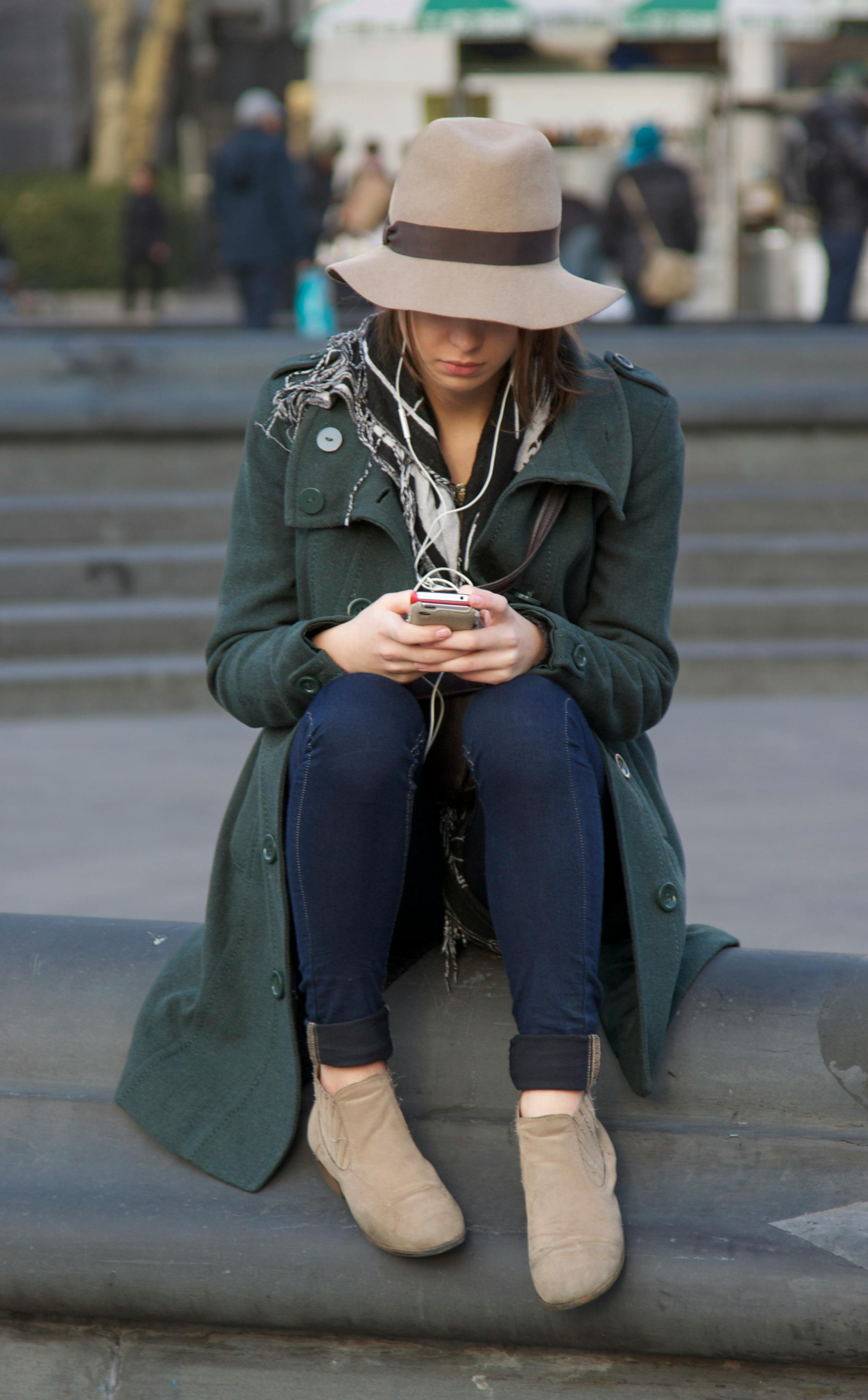
Social media platforms were designed to connect people, but for those with social anxiety, they often intensify the very fears they're trying to escape. The constant social comparison that social media encourages can be devastating for someone already prone to feeling inadequate or judged. Every post you see represents a curated highlight reel of someone else's life, yet your anxious brain may interpret these carefully selected moments as evidence that everyone else is happier, more successful, more attractive, or more socially connected than you.
The pressure to present a perfect image creates exhausting self-monitoring. Each photo requires careful selection and often editing. Every caption must be clever but not trying too hard, authentic but not too vulnerable, interesting but not showing off. You might spend an hour crafting a post, then obsessively check for likes and comments, interpreting each notification or lack thereof as social feedback about your worth.
The permanence of digital communication adds another layer of anxiety. In face-to-face interactions, awkward moments or verbal missteps exist only in memory, fading over time. Online, everything is documented, potentially screenshot, and permanently searchable. That embarrassing comment you made three years ago? Still there. The photo from that awkward phase? Still tagged. This permanence means social mistakes feel more consequential and long-lasting.
The asynchronous nature of digital communication creates unique anxiety triggers. When you send a text or message, you're left wondering why the person hasn't responded. Are they angry? Did you say something wrong? Are they ignoring you? The read receipts that show someone has seen your message but chosen not to respond immediately can trigger intense anxiety about rejection or social failure.
Phantom notifications and fear of missing out (FOMO) keep you in a constant state of social vigilance. You might compulsively check your phone, worried you're missing important social information or that others are connecting without you. The fear that something interesting or important is happening elsewhere creates anxiety, whether you're online or offline.
For those with anxiety treatment needs, social media often becomes a paradox where you're simultaneously drawn to stay connected and overwhelmed by the constant social evaluation it demands.
Specific Digital Age Social Anxiety Triggers
Understanding the specific ways digital technology triggers social anxiety can help you recognize patterns and develop targeted coping strategies. Here are some of the most common digital-age anxiety triggers:
The "Seen" Receipt Without Response
Knowing someone has read your message but hasn't replied triggers intense anxiety about whether you said something wrong or if the person is upset with you.
Notification Overload and Compulsive Checking
The constant stream of notifications keeps you in a state of hypervigilance, while the absence of expected notifications triggers worry about being excluded or forgotten.
Social Media Comparison and Inadequacy
Scrolling through others' seemingly perfect lives triggers feelings of inadequacy, loneliness, and fear that you're failing at life or missing out on experiences others enjoy.
Online Disinhibition and Regret
The lack of immediate social feedback online can lead to saying things you wouldn't say in person, followed by intense anxiety and regret about how you'll be perceived.
Performance Pressure on Video Calls
Video meetings require you to be visible while lacking the natural connection of in-person interaction, creating self-consciousness about appearance, background, and technical difficulties.
Cancel Culture and Public Shaming Fears
Witnessing or experiencing online criticism, even for minor mistakes, creates fear of saying the wrong thing and being publicly judged or ostracized by your community.
Digital Ghosting and Ambiguous Endings
Relationships that simply fade away online without clear closure create ongoing anxiety about what happened, what you did wrong, and whether reconnection is possible.
These triggers often interconnect, creating a web of social anxiety that feels inescapable in our digitally connected world.
When Digital Connection Enables Avoidance
One of the most significant challenges of social anxiety in the digital age is how technology enables avoidance of in-person connections. Avoidance provides temporary relief from anxiety but ultimately strengthens social fears by preventing you from discovering that social situations are manageable and that feared outcomes rarely occur.
Digital communication allows you to maintain the appearance of social connection while avoiding the vulnerability of face-to-face interaction. You can text instead of calling, email instead of meeting, and send GIFs instead of having conversations. Each act of avoidance feels reasonable in the moment but reinforces the belief that in-person interaction is too threatening to handle.
The pandemic dramatically accelerated this pattern, making remote everything not just acceptable but necessary. Many people with social anxiety felt relieved by lockdowns and remote work because external circumstances finally matched their internal preference for isolation. But as the world reopened, the extended period of avoidance made returning to in-person life even more anxiety-provoking.
Social anxiety treatment typically involves graduated exposure to feared situations, learning through experience that social interactions are tolerable and that catastrophic fears don't materialize. When digital alternatives are always available, committing to exposure becomes more difficult. Why endure the discomfort of an in-person coffee when you could just text? Why attend the party when you could message the host that you're not feeling well?
This digital safety net paradoxically increases anxiety over time. Each avoided situation confirms the belief that in-person interaction is too difficult or dangerous. Your comfort zone shrinks as your anxiety grows. Eventually, even previously manageable situations like grocery shopping or doctor's appointments may trigger significant anxiety because your social skills and confidence have atrophied from disuse.
Breaking this cycle requires recognizing when digital alternatives are genuinely more convenient versus when they're serving anxiety-driven avoidance. This distinction isn't always clear, which is where professional support from individual therapy services becomes valuable.
Strategies for Managing Social Anxiety in the Digital Age
Managing social anxiety in today's world requires both addressing underlying anxiety and developing a healthier relationship with technology. Here are evidence-based strategies that can help:
1. Set Boundaries Around Social Media Use
Designate specific times for checking social media rather than constantly scrolling, and consider removing apps from your phone during periods when you need a break from social comparison.
2. Practice Mindful Social Media Consumption
Notice how different platforms and accounts affect your mood, and actively curate your feeds to reduce content that triggers comparison, FOMO, or inadequacy feelings.
3. Challenge Anxious Interpretations of Digital Communication
When someone doesn't respond immediately, practice generating alternative explanations beyond "they hate me," such as "they're busy" or "they'll respond when they have time."
4. Use Technology Strategically for Gradual Exposure
Start with text-based communication, progress to voice calls, then video calls, and eventually in-person meetings as you build confidence in a graduated way.
5. Create Phone-Free Social Experiences
When with others in person, put phones away entirely to practice being present and engaged without the escape route of digital distraction.
6. Limit Checking Behaviors
Set limits on how often you'll check for responses to messages or likes on posts, resisting the compulsion to monitor social feedback constantly.
7. Seek Professional Support
Work with a therapist trained in anxiety treatment to address the underlying fears driving both your social anxiety and your digital behaviors.
These strategies work best when implemented gradually and with self-compassion. You don't need to make drastic changes all at once or achieve perfect digital wellness. Small, sustainable changes create meaningful improvement over time.
The Role of Therapy in Digital Age Social Anxiety
Professional support is often essential for managing social anxiety effectively, especially when digital habits have become deeply entrenched. Therapy for individuals provides structured guidance for addressing both the underlying social anxiety and the digital behaviors that maintain it.
Cognitive behavioral therapy (CBT) helps you identify and challenge the anxious thoughts driving both online and offline social fears. You'll learn to recognize cognitive distortions like mind-reading (assuming you know what others think), catastrophizing (predicting worst-case outcomes), and personalization (interpreting neutral events as personally meaningful).
Exposure therapy, carefully adapted for digital age concerns, helps you gradually face feared situations rather than avoiding them. Your therapist might help you practice posting on social media without checking for responses, making phone calls instead of texting, or attending in-person gatherings despite anxiety.
Social skills training addresses any genuine skill deficits that may contribute to your anxiety. While many socially anxious people have good social skills, others missed opportunities to develop these skills due to avoidance. Learning conversation techniques, assertiveness, and nonverbal communication can increase confidence.
Mindfulness-based approaches help you stay present during social interactions rather than getting lost in anxious thoughts. You learn to notice anxiety without letting it control your behavior, creating space between feeling and action.
For some individuals, EMDR therapy can address past experiences of social rejection, humiliation, or bullying that created the foundation for current social anxiety. Processing these memories can significantly reduce the intensity of present-day social fears.
Working with a therapist who understands both traditional social anxiety and its digital manifestations ensures you receive comprehensive support. At Be Seen Therapy, our therapists understand the unique challenges of managing social anxiety in our hyper-connected world.
Finding Balance and Moving Forward
Social anxiety in the digital age requires finding balance between connection and self-protection, between embracing helpful technology and recognizing when it enables avoidance. This balance looks different for everyone and may shift over time based on your needs and circumstances.
The goal isn't to eliminate social anxiety entirely or to abandon technology. Rather, it's to reduce anxiety to manageable levels, develop confidence in both digital and in-person social situations, and use technology in ways that support rather than hinder your wellbeing.
Remember that social anxiety is highly treatable. With appropriate support, most people experience significant improvement in their symptoms and quality of life. The digital challenges are real, but they're not insurmountable. You can learn to navigate our connected world with greater ease, confidence, and authenticity.
If social anxiety is limiting your life, whether online, offline, or both, we're here to help. Our team understands the complex relationship between social anxiety and digital technology. We invite you to contact us for a consultation to begin addressing your social anxiety with compassionate, expert support.
At Be Seen Therapy, we believe that you are meant to be seen, heard, and validated on your healing journey. If you're ready to take the next step toward growth and transformation, we're here to support you; contact us today to schedule your consultation.