When Grief Becomes Complicated and Overwhelming
Grief has a way of showing up uninvited and refusing to leave. For most people, the sharp edges of loss gradually soften with time, allowing them to carry their memories forward while re-engaging with life. But for some, grief doesn't follow this expected path. Instead, it deepens, intensifies, and becomes an overwhelming presence that makes each day feel impossible to navigate.
If you're reading this because your grief feels different, heavier, more persistent, more consuming than what others describe, you're not alone, and what you're experiencing has a name: complicated grief.
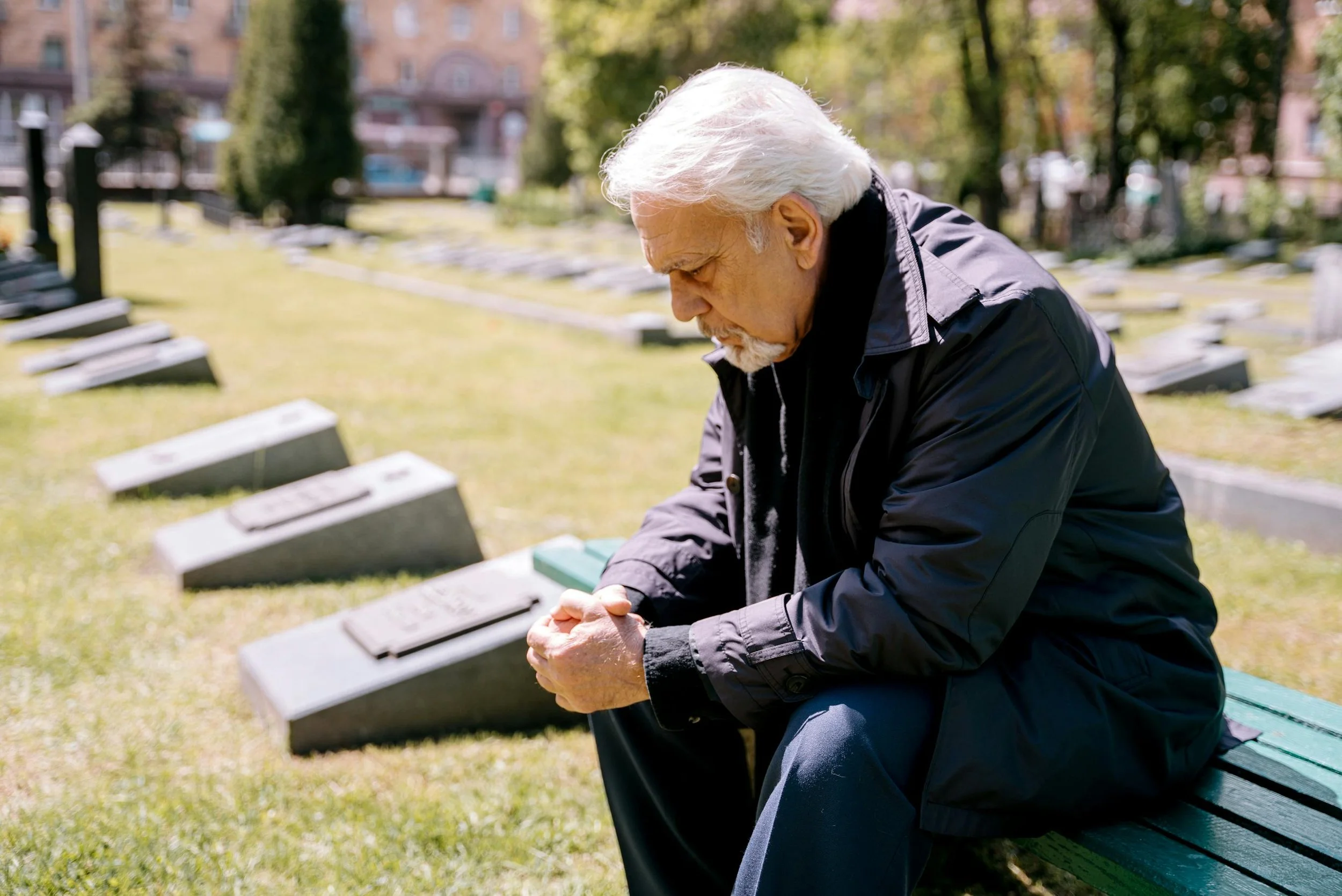
Understanding Normal Grief vs. Complicated Grief
Grief is a natural response to loss. Whether you've lost a loved one, experienced the end of a relationship, faced a significant life transition, or said goodbye to a dream, grief is your heart's way of acknowledging that something important has changed forever.
Normal grief, while painful, typically follows a pattern. In the weeks and months following a loss, you might experience waves of sadness, anger, guilt, or numbness. You might struggle with sleep, appetite, or concentration. These reactions are expected, and while they're difficult, they gradually become less intense and less frequent. Most people find that within six months to a year, they've adjusted to their "new normal" and can think about their loss without being completely overwhelmed.
Complicated grief, sometimes called prolonged grief disorder or persistent complex bereavement disorder, is different. With complicated grief, the intense symptoms don't ease with time. Instead, they persist or even intensify, interfering significantly with your ability to function and find meaning in life. Research suggests that approximately 7-10% of bereaved individuals develop complicated grief, though this number can be higher depending on the circumstances of the loss.
Signs Your Grief Has Become Complicated
How do you know if your grief has crossed from normal into complicated territory? Here are some key indicators:
Inability to Accept the Loss
Even months or years later, you find yourself unable to believe the loss has really happened. You might find yourself looking for the person, waiting for them to return, or feeling shocked when you remember they're gone.
Persistent Intense Emotional Pain
Rather than the intensity decreasing over time, your emotional pain remains as sharp as it was in the beginning. You may experience constant yearning, intense sorrow, or emotional numbness that doesn't lift.
Difficulty Moving Forward
You feel stuck in your grief, unable to imagine a future without the person or unable to find purpose or meaning in your life. You might avoid people, places, or activities that remind you of the loss, which can severely limit your life.
Physical Symptoms
Anxiety and depression commonly accompany complicated grief, along with physical symptoms like chest tightness, digestive issues, fatigue, or sleep disturbances that persist for an extended period.
Isolation and Withdrawal
You've pulled away from friends, family, and activities you once enjoyed. Social interactions feel impossible, and you prefer to be alone with your grief.
Identity Confusion
You feel like you've lost yourself along with your loss. You might struggle to remember who you were before or can't imagine who you'll be moving forward.
Risk Factors for Complicated Grief
Certain circumstances can increase the likelihood of developing complicated grief. Understanding these risk factors can help you recognize why your grief journey might be particularly challenging.
Sudden or traumatic loss: When death occurs without warning or under traumatic circumstances, the shock and trauma can complicate the grieving process. This is especially true for losses involving violence, accidents, suicide, or sudden medical events.
Lack of social support: Grieving is hard enough without adequate support, but when you feel isolated or misunderstood by those around you, it becomes even more difficult. Some losses, like miscarriage, estrangement, or the death of an ex-partner, may receive less social recognition and support, compounding your grief.
History of mental health challenges: If you've experienceddepression,anxiety, ortrauma in the past, you may be more vulnerable to complicated grief.
Multiple losses: Experiencing several losses in a short period doesn't give you adequate time to process each one before the next arrives, creating a compounding effect.
Unresolved relationship issues: When your relationship with the person you lost was complicated, ambivalent, or characterized by conflict, grief can become more complex. Feelings of guilt, regret, or unfinished business can intensify and prolong your suffering.
The Impact on Daily Life
Complicated grief doesn't just affect how you feel; it permeates every aspect of your daily existence. Many people with complicated grief find that work becomes nearly impossible. Concentration difficulties, memory problems, and lack of motivation make it hard to perform even routine tasks. Some people find themselves unable to maintain employment, adding financial stress to their emotional burden.
Relationships with family and friends often suffer. You might feel that others don't understand your pain or have moved on too quickly. The isolation that follows can create a cycle where you become more entrenched in your grief because you lack the support and connection that facilitate healing.
Physical health can deteriorate as well. Complicated grief is associated with increased risk of heart disease, high blood pressure, cancer, and compromised immune function. The stress hormones associated with prolonged grief take a toll on your body, sometimes leading to chronic health conditions.
Professional Help and Treatment Options
The most important thing to understand about complicated grief is that it responds to treatment. You don't have to suffer indefinitely, and seeking help is not a sign of weakness; it's a sign of strength and self-awareness.
If your grief is interfering with your daily functioning six months or more after your loss, or if you're experiencing thoughts of self-harm or suicide, it's time to reach out to a professional. You don't need to wait until things become unbearable.Individual therapy can provide crucial support at any point in your grief journey.
Eye Movement Desensitization and Reprocessing (EMDR) has shown significant effectiveness in treating complicated grief.EMDR therapy helps process traumatic memories associated with the loss and reduces the emotional intensity attached to those memories. This allows you to remember your loved one without being overwhelmed by pain.
Therapy approaches like Cognitive Behavioral Therapy help you identify and change thought patterns that keep you stuck in grief. This might include addressing guilt, regret, or beliefs about the loss that prevent you from moving forward.
Whileindividual therapy provides crucial one-on-one support, grief support groups offer the unique benefit of connecting with others who truly understand what you're experiencing. This validation and shared experience can be powerfully healing.
AtBe Seen Therapy, our team specializes in helping people navigate complicated grief using evidence-based approaches tailored to your unique situation. We understand that your grief is as individual as your relationship with what you've lost, and we're here to support you through every step of your healing journey.
Self-Care Strategies
While professional help is often necessary for complicated grief, there are also things you can do to support your healing:
1. Allow Yourself to Feel
One of the paradoxes of grief is that the way through it is to feel it. Trying to suppress or avoid your emotions often prolongs the process. Create safe spaces and times to acknowledge and express your feelings, whether through journaling, art, music, or simply allowing yourself to cry.
2. Create Rituals
Meaningful rituals can help you process your loss and maintain connection. This might include visiting a special place, lighting a candle, creating a memory book, or establishing traditions that honor what you've lost while allowing you to move forward.
3. Maintain Connections
Even when isolation feels easier, maintaining connections with supportive people is crucial. You don't have to pretend you're okay, but staying connected, even in small ways, can provide comfort and prevent the deepening of isolation.
4. Physical Wellness
Grief affects your body as much as your mind. Gentle movement, adequate sleep, proper nutrition, and time in nature can all support your emotional healing. You don't need to run marathons; a short walk or a few minutes of stretching can make a difference.
Finding Your Way Through
Complicated grief can feel like being lost in a dense fog with no sense of direction. The path forward isn't always clear, and there will be days when moving forward feels impossible. But healing is possible, even when your grief feels overwhelming and permanent.
You don't have to navigate this alone.Our team at Be Seen Therapy understands the unique challenges of complicated grief and is here to support you. We create a safe, compassionate space where you can process your loss at your own pace, develop coping strategies, and gradually reconnect with meaning and purpose in your life.
Your grief deserves to be witnessed, understood, and supported. You deserve to feel lighter, to find moments of peace, and to imagine a future that holds both your loss and new possibilities.
If you're struggling with grief that feels too heavy to carry alone,reach out for support. Healing doesn't mean forgetting or "getting over" your loss; it means learning to carry it differently, in a way that allows you to live fully again.
At Be Seen Therapy, we believe that you are meant to be seen, heard, and validated on your healing journey. If you're ready to take the next step toward growth and transformation, we're here to support you; contact us today to schedule your consultation.